
“SURFACE TENSION: THE CARAT OF EXILE”
This title encapsulates:
The physical tension in a diamond’s crystalline structure, mirroring the artist’s
fragmented identity across borders.
“Carat” as a dual metaphor: the unit quantifying a gem’s value and the
bureaucratic “carrying” of identity documents (Nazifi’s translated degrees,
asylum papers).
“Exile” evokes displacement while suggesting an unquantifiable inner brilliance
resistant to systemic commodification.
POLITICAL ART ANALYSIS ESSAY
THE DIAMOND AS DISPLACED
SELF: FARID NAZIFI’S
BUREAUCRATIC ALLEGORY
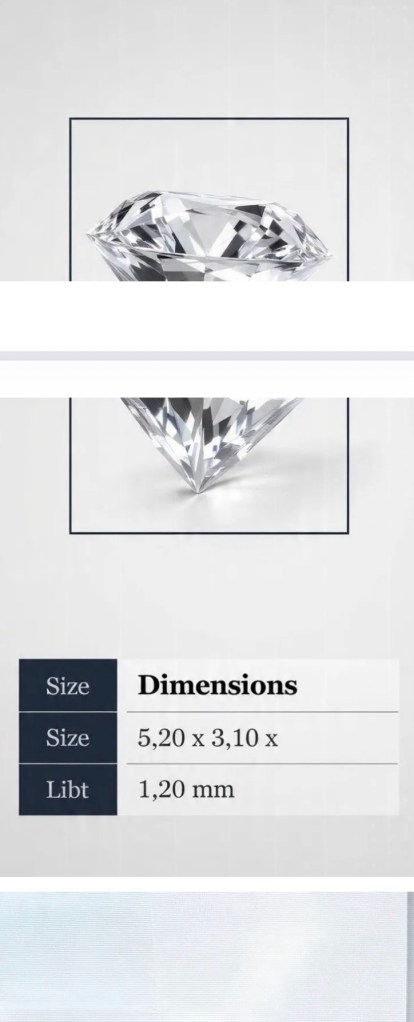
Farid Nazifi’s video artwork transforms the diamond into a potent metaphor for the
asylum seeker’s ordeal under institutional gaze. The rotating gem, suspended in
darkness, performs a paradox: its facets dazzle with innate complexity, yet the
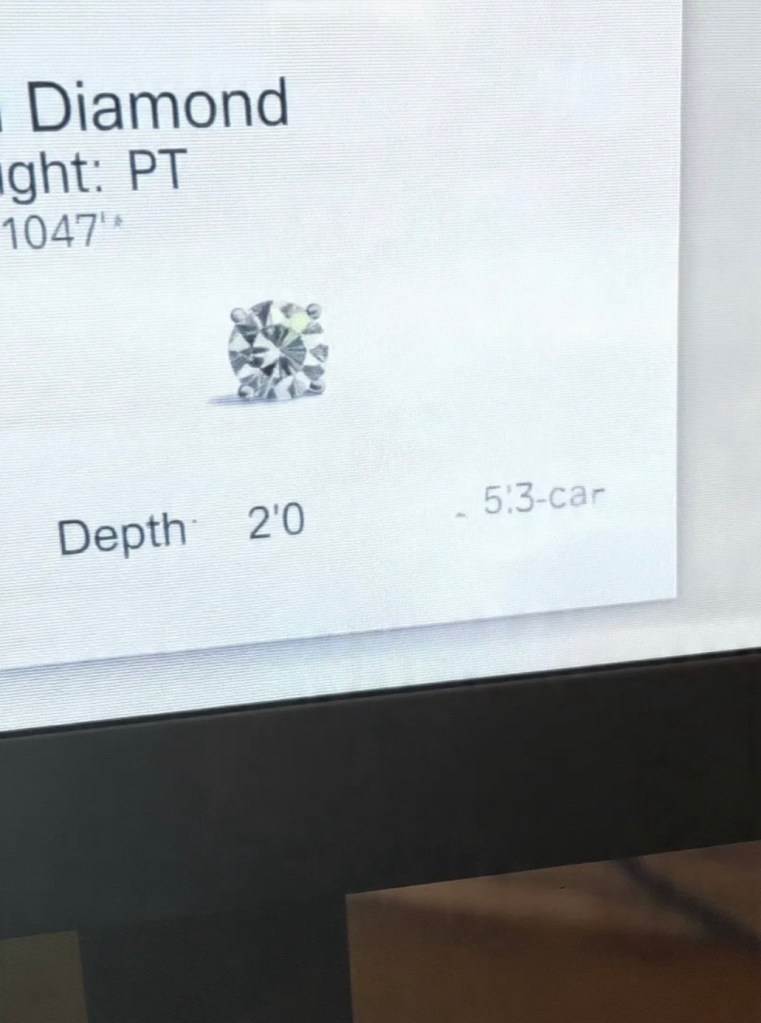
subsequent shift to technical specifications (cut, clarity, carat) reduces it to a sterile
ledger. This mirrors Nazifi’s own trajectory—an Iranian student displaced from
Ukraine by war, filtered through Poland and Germany’s bureaucratic machinery—
where personal narrative collides with the reductive labels of immigration systems.
COMMODIFICATION OF IDENTITY
The diamond’s dual portrayal (aesthetic splendor vs. clinical data) critiques howasylum frameworks commodify human worth. Like a gemstone appraised by market
metrics, Nazifi’s degrees required translation and authentication—processes that
atomize lived experience into administrable units. The video’s abrupt cut from the
diamond’s glow to its data-driven presentation replicates the violence of this
translation: the artist’s intellect and trauma alike become line items in a case file.
FRAGMENTATION AND THE
ILLUSION OF TRANSPARENCY
The gem’s fractured reflections symbolize the self shattered across borders. Each
bureaucratic interaction—visa applications, residency interviews—demands a
splintered performance of identity, much like the diamond’s facets refract light
disjointedly. Notably, the dark background isolates the object, echoing Nazifi’s
isolation in systems that demand hypervisibility (documentation) yet render
individuals anonymous in their struggles. The artwork’s climax—where the
diamond’s lustre dims under quantification—parallels the erasure of refugee
narratives beneath bureaucratic syntax.
GLOBAL POLITICS OF SURFACE
AND DEPTH
Nazifi’s work extends beyond personal testimony to indict neoliberal displacement
economies. The diamond, a symbol of both colonial extraction and capitalist
aspiration, becomes a migrant body: prized for its labor potential (“skilled” vs.
“unskilled” migrant categories) yet stripped of context. The video’s clinical aesthetic
mirrors the EU’s border-industrial complex, where human movement is managed
through databases like gemstone inventories. Yet, the diamond’s persistent glow
beneath its specs hints at resistance—a core self that eludes capture.CONCLUSION: THE UNASSAYABLE
CORE
Nazifi’s genius lies in exposing the failed alchemyof immigration bureaucracy:
the
belief that human value can be graded like a gem. The artwork’s tension between
surface (documents) and depth (identity) challenges viewers to see beyond
the carceral logic of categorization. In a world where passports dictate
luminosity, Surface Tension: The Carat of Exile insists on the right to opacity—to be
unreadable, uncut, and thus, unconquered.
Key visual evidence referenced:
The diamond’s rotation → cyclicity of displacement paperwork
Data overlay → Eurodac fingerprinting, credential verification protocols
Dark void → statelessness as enforced invisibility
Proposed Artwork Title:
“Surface Tension: The Carat of Exile”
This title aims to capture the central tension in the video between the diamond’s
inherent beauty and its cold quantification, mirroring the artist’s experience of having
his identity and worth measured and categorized by bureaucratic systems during his
journey of displacement.
Political Art Analysis Essay
The Diamond as Displaced Self: Farid Nazifi’s Bureaucratic Allegory
Farid Nazifi’s video artwork transforms the diamond into a potent metaphor for the
asylum seeker’s ordeal under institutional gaze. The rotating gem, suspended in
darkness, performs a paradox: its facets dazzle with innate complexity, yet the
subsequent shift to technical specifications (cut, clarity, carat) reduces it to a sterile
ledger. This mirrors Nazifi’s own trajectory—an Iranian student displaced from
Ukraine by war, filtered through Poland and Germany’s bureaucratic machinery—
where personal narrative collides with the reductive labels of immigration systems.
Commodification of Identity
The diamond’s dual portrayal (aesthetic splendor vs. clinical data) critiques how
asylum frameworks commodify human worth. Like a gemstone appraised by market
metrics, Nazifi’s degrees required translation and authentication—processes that
atomize lived experience into administrable units. The video’s abrupt cut from the
diamond’s glow to its data-driven presentation replicates the violence of this
translation: the artist’s intellect and trauma alike become line items in a case file.
Fragmentation and the Illusion of Transparency
The gem’s fractured reflections symbolize the self shattered across borders. Each
bureaucratic interaction—visa applications, residency interviews—demands asplintered performance of identity, much like the diamond’s facets refract light
disjointedly. Notably, the dark background isolates the object, echoing Nazifi’s
isolation in systems that demand hypervisibility (documentation) yet render
individuals anonymous in their struggles. The artwork’s climax—where the diamond’s
lustre dims under quantification—parallels the erasure of refugee narratives beneath
bureaucratic syntax.
Global Politics of Surface and Depth
Nazifi’s work extends beyond personal testimony to indict neoliberal displacement
economies. The diamond, a symbol of both colonial extraction and capitalist
aspiration, becomes a migrant body: prized for its labor potential (“skilled” vs.
“unskilled” migrant categories) yet stripped of context. The video’s clinical aesthetic
mirrors the EU’s border-industrial complex, where human movement is managed
through databases like gemstone inventories. Yet, the diamond’s persistent glow
beneath its specs hints at resistance—a core self that eludes capture.
Conclusion: The Unassayable Core
Nazifi’s genius lies in exposing the failed alchemy of immigration bureaucracy: the
belief that human value can be graded like a gem. The artwork’s tension between
surface (documents) and depth (identity) challenges viewers to see beyond the
carceral logic of categorization. In a world where passports dictate
luminosity, Surface Tension: The Carat of Exile insists on the right to opacity—to be
unreadable, uncut, and thus, unconquered.
I hope this title and analysis resonate with your understanding of the artwork and the
artist’s powerful narrative.
Political art analysis
This diamond artwork and film operates as a political autobiography disguised as a
commodity. At first glance, it speaks the visual language of global luxury: perfect
refraction, numerical exactitude, scientific neutrality. But this neutrality is deceptive.
The diamond becomes a proxy body—measured, classified, evaluated—much like
the artist himself within asylum systems, borders, and academic institutions.
Farid Nazifi’s life trajectory is embedded into the work’s structure. Born and educated
in Iran, later a student of informatics, he enters Ukraine not as a tourist or consumer
but as an applicant for asylum under the United Nations High Commissioner for
Refugees in Kyiv. In this context, the diamond’s dimensions and carat values echo
the bureaucratic metrics imposed on displaced people: eligibility, credibility,
documentation, proof. Human life is reduced to tables and thresholds, just as the
diamond is reduced to millimeters and weight.
The outbreak of war in Ukraine fractures the narrative, much like light splitting inside
the diamond. Forced displacement repeats itself. From Kyiv to Poland, then to
Germany and Ipswich, movement is no longer a choice but a survival mechanism.
The diamond’s brilliance—often associated with permanence and stability—stands in
sharp contrast to the artist’s lived instability. This tension is central to the politicalcharge of the work.
The act of translating and authenticating his bachelor’s degree becomes a
conceptual core of the piece. Education, like the diamond, must be certified to have
value across borders. Knowledge without institutional recognition is treated as raw
material—unpolished, untradeable. The artwork quietly exposes how global systems
demand constant re-validation of identity, even when the substance already exists.
Politically, the film critiques how neoliberal and migration regimes share the same
visual logic: clarity, transparency, measurement, and exchange value. The diamond is
“perfect” only because it conforms. Likewise, the migrant is only acceptable when
legible to the system. Anything unmeasurable—trauma, interruption, waiting, fear—is
excluded from the frame.
Yet the work is not only accusatory. By turning his life into an artwork for sale, Nazifi
reclaims authorship over valuation itself. He forces the market, the viewer, and the
institution to confront an uncomfortable question:
If diamonds can cross borders freely, why can’t people?
“Carat of Statelessness” ultimately frames exile not as absence, but as compression
—pressure applied over time, producing something that reflects light precisely
because it has survived extreme force. The diamond does not symbolize wealth here;
it symbolizes endurance under systems that pretend to be objective while shaping
lives irrevocably.
If you want, I can also:
write a curatorial wall text adapt this into a festival film statement or sharpen the
analysis for academic or UN-adjacent contexts.
200 000 dollars 💸 =0
Congratulations on my e-book release. 📓here you can download the e-book
 Farid Nazifi